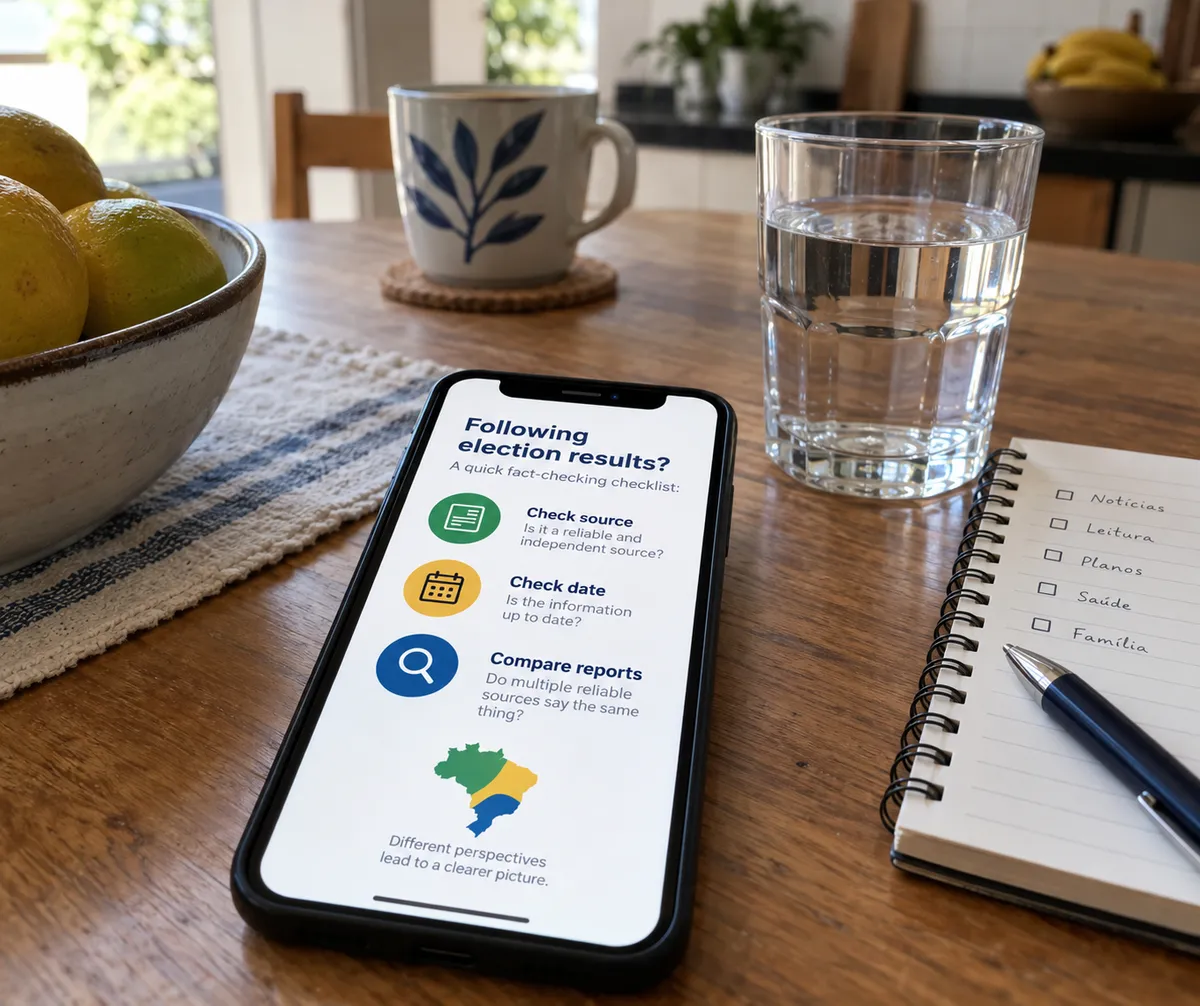
Brazil is voting in a presidential runoff between President Luiz Inácio Lula da Silva and Flávio Bolsonaro, and the race is described as razor-close. If you want to follow it without drowning in screenshots, hot takes, and recycled clips, this guide covers what is at stake and gives you a simple phone setup for tracking results reliably.
The details below come from HuffPost's reporting on the vote.
What Brazilians are deciding
Per HuffPost, the runoff is polarizing, with sharp divides over several issues:
- Crime
- Cost of living
- Climate
- Democracy and the judiciary
- Relations with the United States
The race is also framed as a test of regional direction: whether Latin America's largest economy moves rightward alongside Trump-aligned leaders in the region, or keeps a left-of-center axis with Mexico.
Why people outside Brazil are watching
HuffPost links the vote to rising U.S. involvement in Latin America, tariff pressure, competition over rare minerals, and concerns about democratic institutions in Brazil. It also points to Supreme Court appointments, crime policy, and foreign alignment as things the result could shape.
The practical takeaway: many stories you will see connect everyday issues like food prices and crime to geopolitics. Expect that framing in coverage, and keep it separate from the raw vote count.
Set up your phone to follow the count (step by step)
These steps work on any recent iPhone or Android phone. Menu names vary slightly by system version.
Step 1: Pick two or three news sources
Choose outlets you trust, ideally at least one international and one Brazilian. Open each outlet's app or website and look for a live coverage page rather than relying on social feeds.
Step 2: Turn on alerts for those sources only
On iPhone, go to Settings > Notifications, find the news app, and enable alerts. On Android, press and hold the app icon, tap the info icon, then Notifications. Limit it to breaking news so you are not buzzed all night.
Step 3: Add a translation tool
Brazilian outlets publish in Portuguese. Use your browser's built-in translate option (in Chrome or Safari, look for the translate icon in the address bar) so you can read primary reporting yourself.
Step 4: Mute keywords on social media
In your social app's settings, look for "muted words" or similar and add terms that tend to attract bait, such as candidate nicknames or hashtags you find unreliable. This cuts noise without leaving the platform.
How to spot misleading election posts
Close, emotional races attract recycled and misleading content. A quick routine helps:
- Check the date. Old clips often resurface during elections. Look for a timestamp from a reliable outlet.
- Look for a second source. If only one account is posting a dramatic claim, wait.
- Run a reverse image search. In Chrome, press and hold an image and choose the search-by-image option. It often shows where a photo first appeared.
- Separate projections from results. A count in progress is not a final result. Wait for official confirmation before treating a number as settled.
- Pause before sharing. If a post makes you angry, that is the moment to verify.
What to watch as results arrive
With the race described as razor-close, early numbers may shift as more votes come in. HuffPost's framing suggests the outcome matters well beyond Brazil, so expect international reaction. Treat statements from politicians and commentators as positions, not as verified facts about the count.
It is also reasonable to expect that the stakes HuffPost lists, including Supreme Court appointments and crime policy, will drive coverage in the days after the vote. That is our read of the situation, not a reported outcome.
Your next move
Before the next result alert lands, spend five minutes on Steps 1 through 3 above. A short list of trusted sources and a translate button will do more for your understanding than any amount of scrolling.