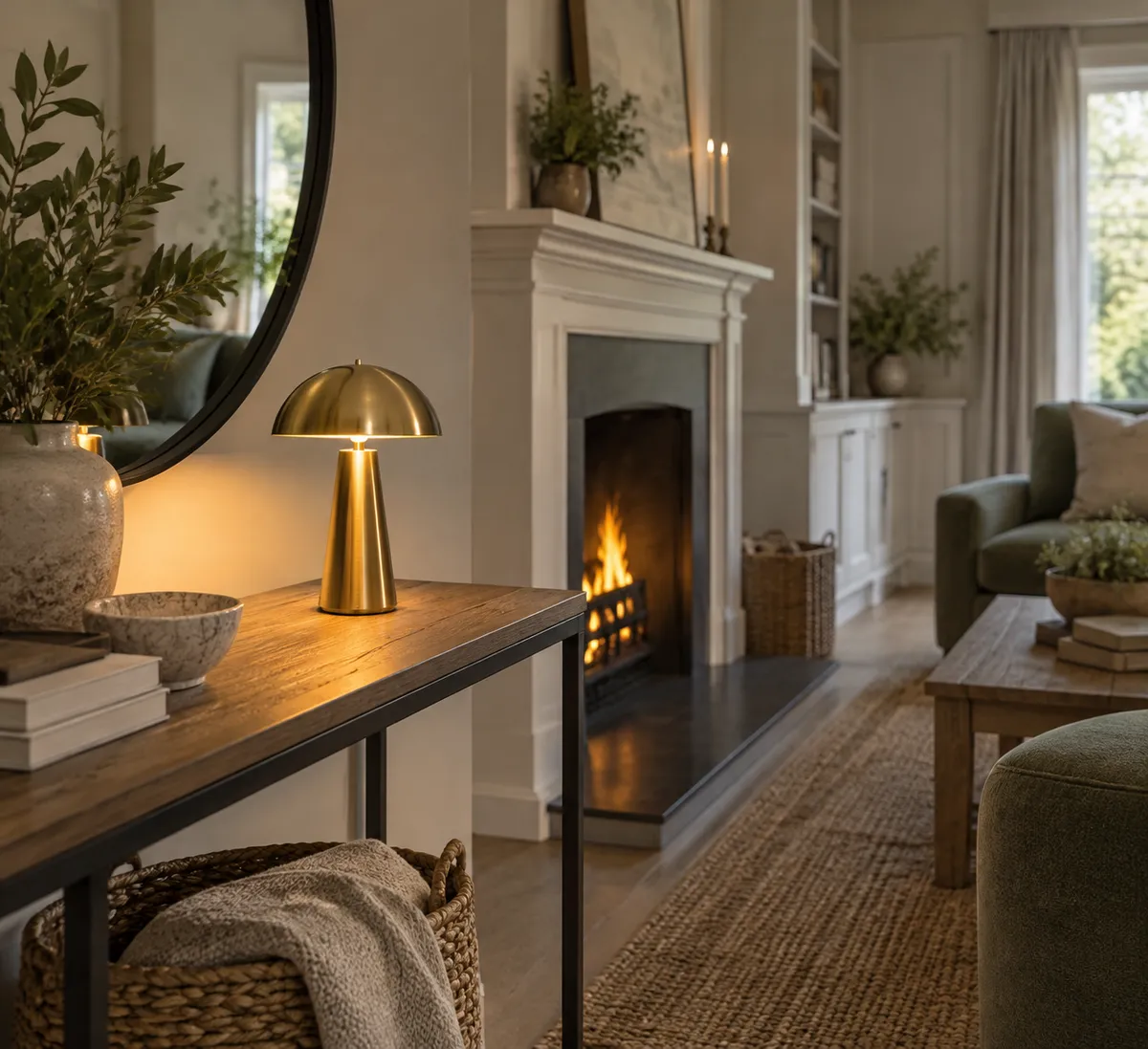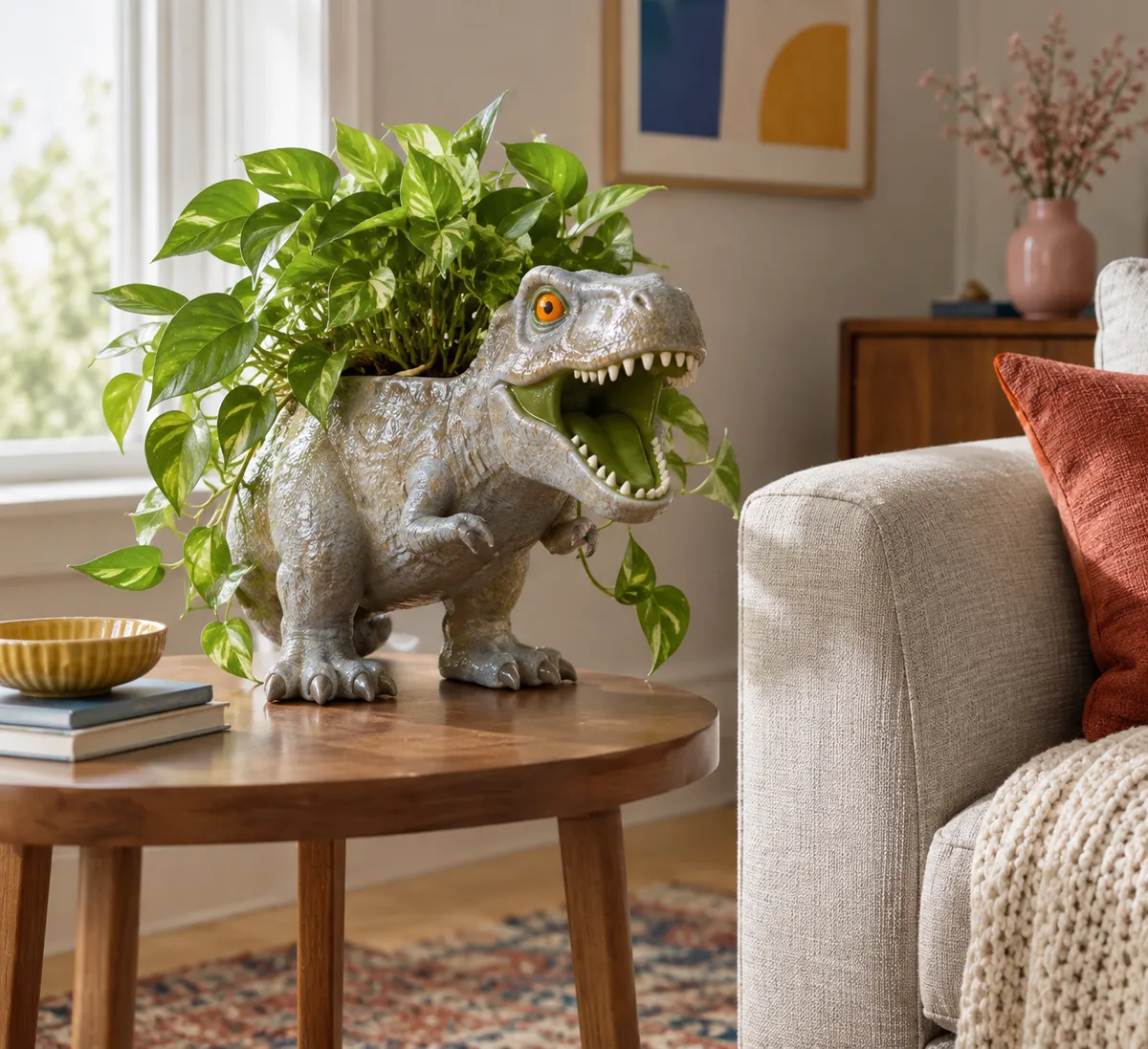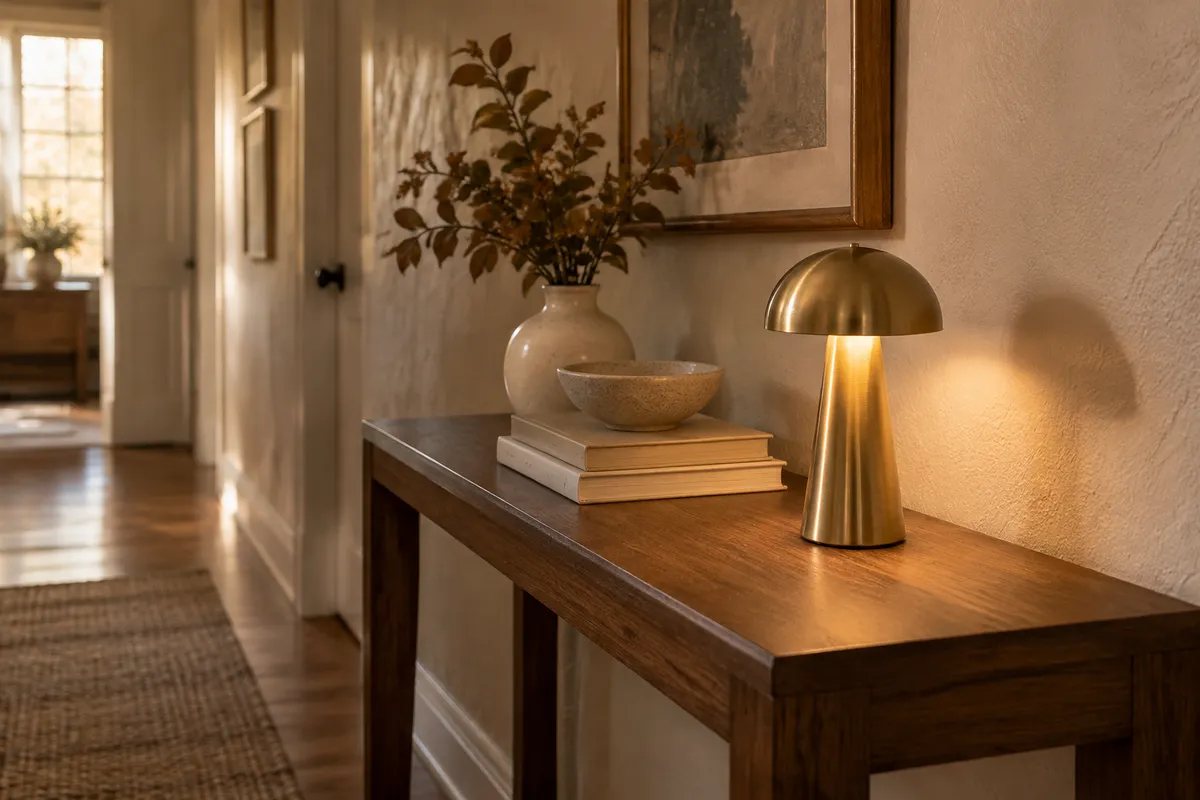
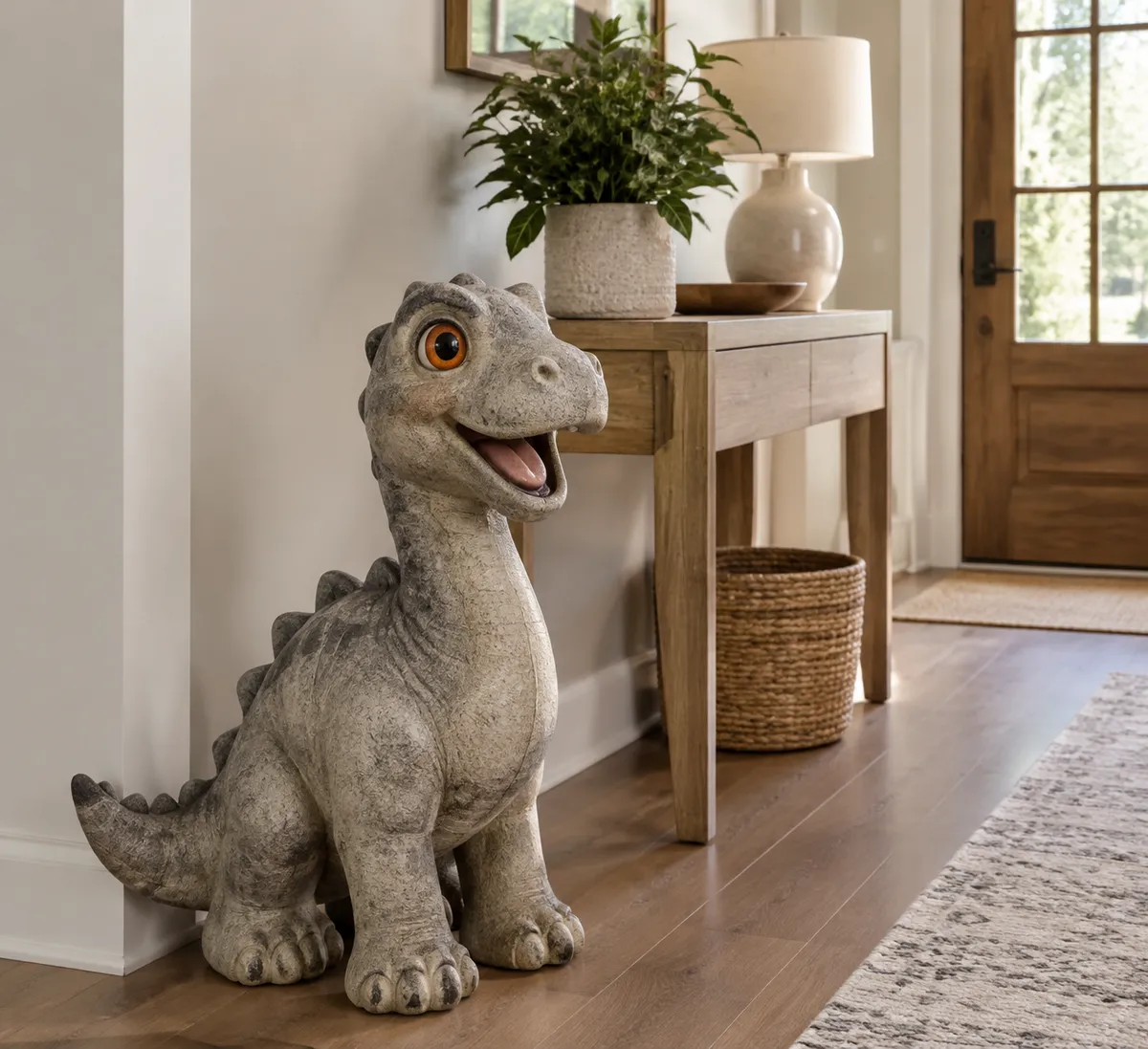
BuzzFeed Shopping recently published a roundup of 33 eccentric home products for people who, in its words, never pick the beige option. The pitch: playful, weird decor and conversation-starting gadgets can show personality at home.
The roundup's full product list isn't something I can reproduce here, so I won't name individual items. What I can give you is the useful part: a way to use the idea. You can make a room feel less generic by adding a single eccentric piece, without redoing anything else. Here's how to choose it, place it, and avoid regret.
Start With One Item, Not a Theme
BuzzFeed's framing is about personality, not matching sets. That works in your favor. A full redesign is expensive and slow. One bold object is cheap, reversible, and tells you quickly whether you like living with something louder.
Pick a single room and a single piece. If it works, add another later. If it doesn't, you've lost one purchase, not a weekend of repainting.
Choose the Room That Feels Most Generic
Walk through your home and notice where you feel nothing. Common candidates:
- A rental living room with white walls and standard furniture
- An entryway that is only a hook and a shoe pile
- A kitchen counter that is all function
- A bathroom with default fixtures
The room that bores you most gets the first quirky item. Small spaces like entryways and bathrooms are low-risk places to experiment.
Look for Useful and Odd at the Same Time
The most satisfying weird products do a job. A strange-looking item that you actually use stays in your home; one that only sits there tends to become clutter. Before buying, ask:
- What will I use this for, at least once a week?
- Where exactly will it live?
- Would I still like it if nobody commented on it?
If you can answer all three, it's a keeper. If the answer to the first is "nothing," make sure it's small and cheap.
Place It So It Gets Noticed
An eccentric piece needs room to be eccentric. Surround it with calm instead of competing items.
Give it a clear spot
Put it on a shelf, console, or counter with a little empty space around it. Crowding it with other objects turns a statement into noise.
Put it at eye level
Floor-level or high-shelf pieces get overlooked. Aim for where people naturally look when they sit down or walk in.
Use a neutral backdrop
A bold object against a plain wall reads as intentional. This is the one place where beige helps: it makes your weird item the star.
Set a Budget Before You Browse
Shopping roundups are designed to make you want several things at once. Decide your cap before you open the list. A reasonable rule is to set one number for the whole experiment and stick to it, then compare similar items across a couple of retailers before buying.
Also check the return policy. Photos make quirky products look great, but size and color can surprise you in person. Measure your intended spot first, and write the dimensions in your phone's notes app so you can compare quickly while shopping.
Test It for Two Weeks
Before you add anything else, live with the new piece. Notice:
- Do you still smile when you see it?
- Do you use it, or work around it?
- Does the room feel better, or just busier?
If you're still happy after two weeks, that tells you which direction to go next: more color, more humor, more texture. If not, return it if you can, and try a different kind of weird.
Why This Style Keeps Showing Up
Per the framing around this kind of roundup, bold, personal styling (often called "dopamine decor" or maximalism) continues to appeal to people moving away from sterile minimalism. That's the trend, not a rule. You don't need to commit to maximalism to benefit. One expressive object is enough to make a home feel like yours.
Your Next Step
Tonight, pick the most generic corner of your home, measure it, and set a spending cap. Then shop for exactly one item you'd use and enjoy looking at. Start there, and let the room tell you what comes next.