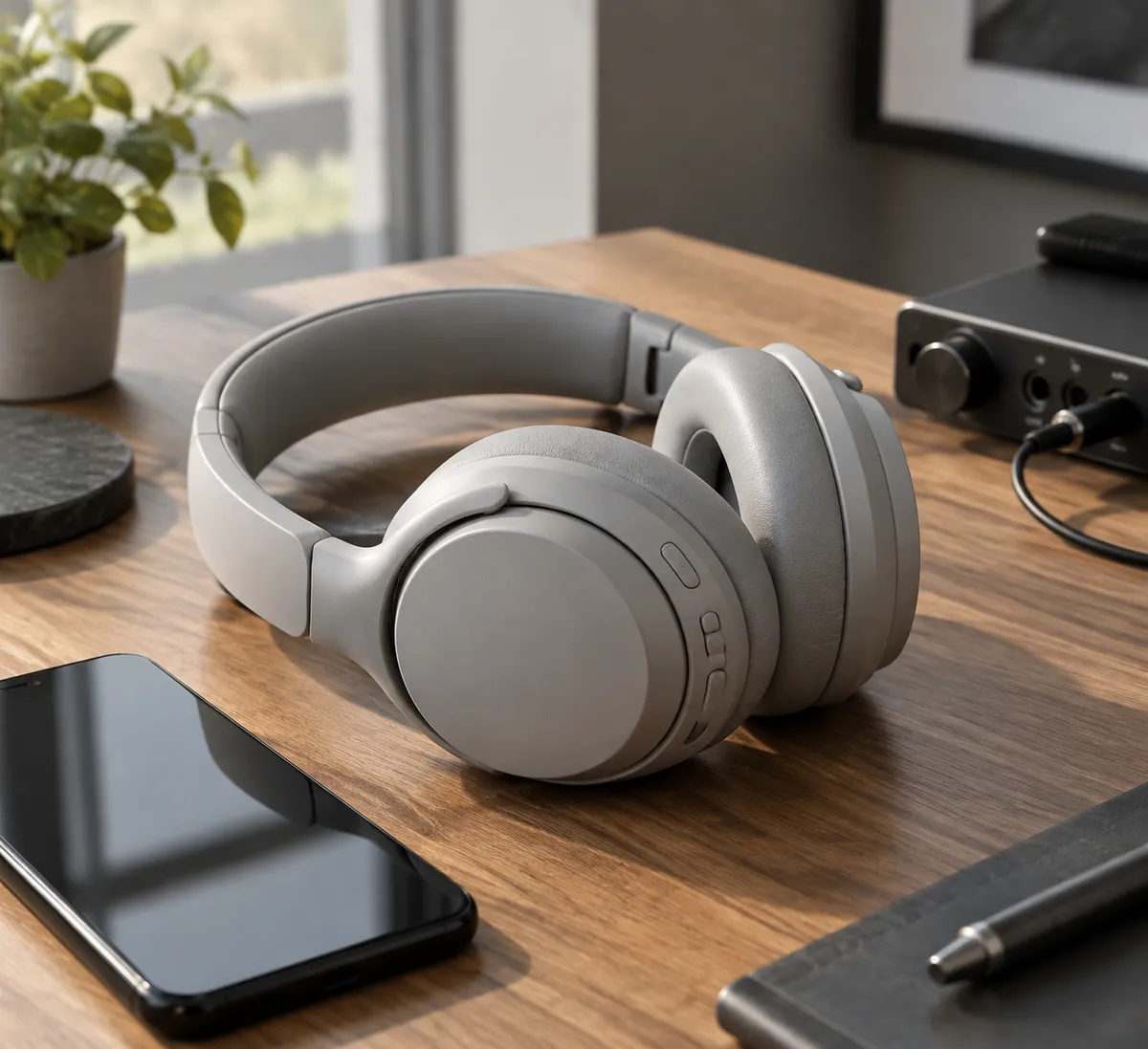
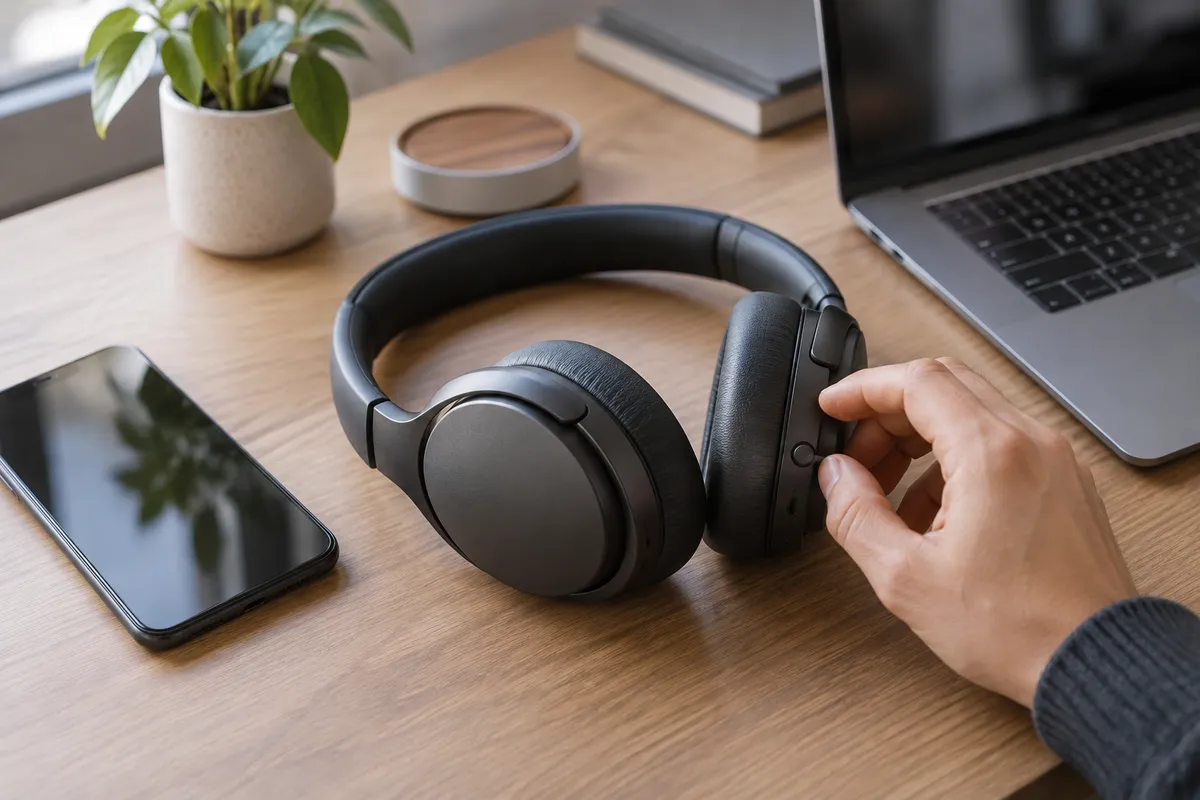
The $400 Nothing Headphone 1 Pro looks great, feels great to use, and has strong noise cancelling. Per Marques Brownlee's review, the one place it stumbles is the thing you're paying headphones to do: sound the best. Here is how to decide whether that trade-off works for you, and how to test it yourself before you commit.
What Brownlee found
Brownlee's review frames the headphones as Nothing's move into a crowded premium noise-cancelling market, where Sony, Bose, Beats and Apple already set high expectations. At $400, buyers reasonably expect near-flagship performance with very few compromises.
His verdict, in short:
- Strengths: design, materials, physical controls, battery life, and an improved ANC and transparency mode that he found better than expected.
- Weakness: sound quality. It's fun, but he says it lacks bass punch and instrument separation compared with top rivals.
- His main criticism: Nothing copied the wrong competitive trend, taking on a pro-tier price without matching top-tier audio.
That's one reviewer's take, and sound is personal. But it gives you a useful checklist.
Decide what you actually value
Premium headphones compete on five things. Rank them before you shop, because no pair wins all five.
- Sound quality (bass punch, separation between instruments)
- Noise cancelling and transparency mode
- Controls (physical buttons versus touch)
- Design and materials
- Battery life
If you rank sound first, Brownlee's review suggests the Headphone 1 Pro may not be your pick at this price. If you rank design, controls and ANC higher, it looks much more appealing.
Why physical controls matter more than they sound
Brownlee lists the physical controls as a major strength. In daily use, buttons and dials you can find by feel beat touch panels that misfire with gloves, hair or a wet hand. When you compare headphones, test whether you can pause, skip and change volume without looking.
What the flat EQ mode is for
The headphones include a switch for a flat, more neutral sound mode, which the review describes as creator-friendly. A neutral profile aims to avoid boosting bass or treble, so you hear a recording closer to how it was made. That can help if you edit audio or video on the go.
Here's a simple way to test any flat mode, on these or other headphones:
- Pick a track you know extremely well, ideally a high-quality file.
- Listen in the default mode, then switch to flat.
- Listen for whether vocals, guitars and drums sit in distinct places.
- Play a second, very different track (a dense mix works well) and repeat.
- If you edit audio, check a clip of your own work and compare it on a second pair of headphones or speakers.
Don't treat any headphones as the final judge of a mix. Cross-checking on a second device is good practice regardless.
How to test for bass punch and separation
Brownlee's two sound complaints are specific, so you can check for them directly.
- Bass punch: Play a track with a clear kick drum or bass line. Does it hit, or does it feel soft and rounded?
- Instrument separation: Play a busy track, such as a band or orchestra. Can you pick out individual instruments, or do they blur together?
Run the same tracks on a pair of Sony, Bose, Beats or Apple headphones back to back. Same songs, same volume, same fit. The differences are easier to hear in direct comparison than from memory.
Test the noise cancelling in the real world
A quiet store isn't a fair test. If you can, try the ANC somewhere representative of your day: a commute, an open office, a busy kitchen. Check both the cancelling and the transparency mode, which lets outside sound in so you can hear announcements or a conversation. Brownlee found Nothing's improved here, so it's worth hearing for yourself.
Check the return policy first
Because sound is subjective, the safest move is buying from a retailer with an easy return window and spending a few days with them. Use your normal playlists, your normal commute and your normal calls. If the sound disappoints you the way it did Brownlee, send them back.
Who should consider them
Based on the review, the Headphone 1 Pro makes the most sense if you value looks, build, tactile controls, ANC and battery life, and you're happy with a fun, less precise sound. If you want the strongest bass impact and instrument detail at around $400, audition the established flagships alongside it before you decide.
The takeaway: before spending $400 on any headphones, play the same three songs on each contender and buy the pair whose sound you still like after a week.