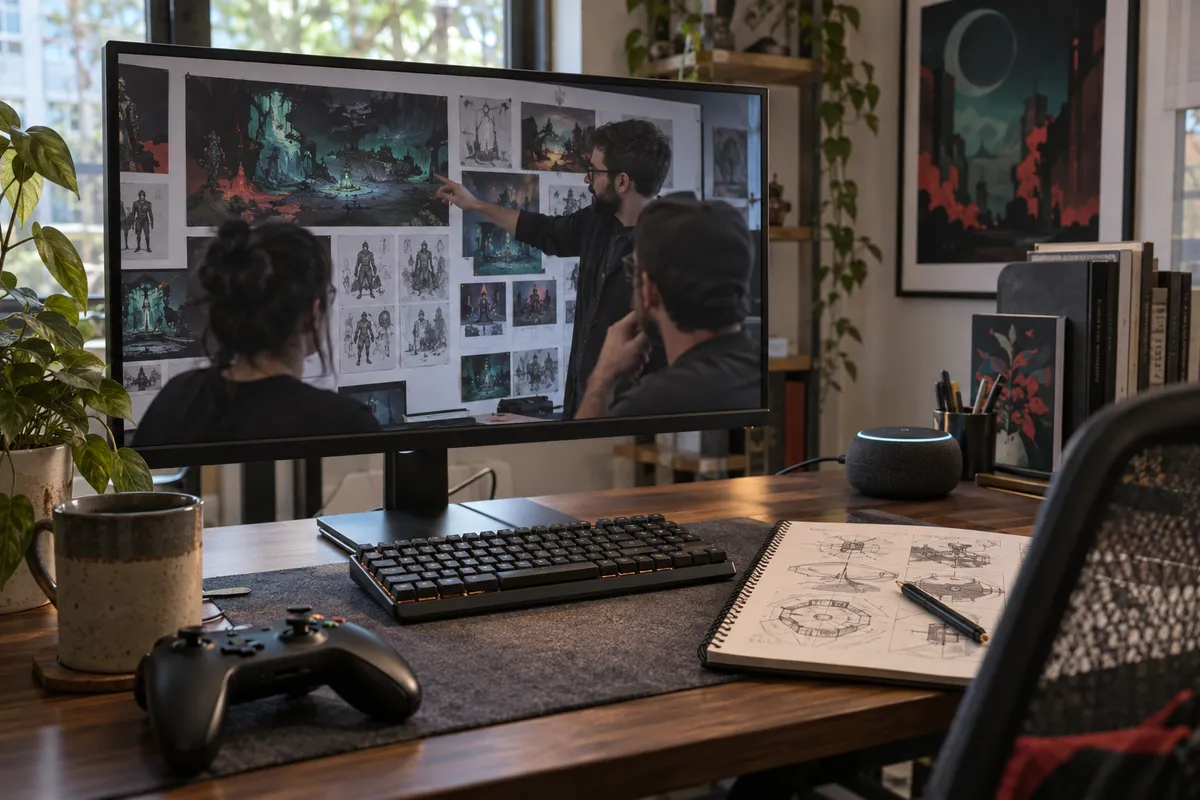
Supergiant Games has released a 20-minute documentary-style video with the YouTuber /noclip about making Hades II, the sequel to its hit Hades. Per Gamegrin, which reported the release, the video covers the studio's creative process and its journey from indie darling to industry powerhouse. Gamegrin also describes Hades II as the highest-rated game of its launch year.
This guide is about getting something out of a video like this, even if you have never made a game. You will learn how to set up your viewing, what to watch for, and how to turn a developer documentary into ideas you can use.
What the video covers
Here is what is confirmed, per Gamegrin's report:
- It runs about 20 minutes and is a collaboration between Supergiant Games and /noclip.
- It focuses on the development of Hades II, the sequel.
- It explores the studio's creative process and its path from indie darling to industry powerhouse.
I have not seen the full video, and the report does not list specific topics or quotes from it, so this article won't guess at what the developers say. Treat the viewing tips below as a framework you bring to the video.
Set up your viewing so you retain more
A 20-minute documentary is short enough to watch twice. A simple routine helps.
Step 1: Watch once with no distractions
Open the video on a laptop, tablet, or TV in the YouTube app or a current browser. Turn on captions if you like reading along. Just watch the first time and let the story land.
Step 2: Keep a notes app open for the second pass
On your phone or computer, open any notes app. Start a note titled with the video name and the date. Play the video again and pause whenever something surprises you. Write the timestamp and a few words. YouTube shows the time in the player, so you can jump back later.
Step 3: Use the playback speed menu for review
In the YouTube player, tap the gear icon, choose Playback speed, and pick 1.25x for the second pass. At that speed you can review the whole thing in about 16 minutes.
Step 4: Save it for later
Use the Save button under the video to add it to a Watch Later playlist. Ideally, make a playlist called Game Design and keep related videos together.
What to look for as a viewer
Gamegrin frames the video around the studio's creative process. These questions help you pull specifics from any developer documentary.
How they talk about the original game
A sequel has to respect what people loved while offering something new. Listen for what the team says it kept and what it chose to change. Write down each one in separate columns in your note.
How the team describes its working style
Creative process is a broad phrase. Note concrete habits: how decisions get made, how feedback is handled, how the team handles setbacks. Concrete habits are the part you can borrow for your own projects, whether those are apps, a small business, or a hobby.
How the studio sees its own growth
The report mentions the move from indie darling to industry powerhouse. Pay attention to how the people involved describe that change, and whether they treat it as pressure or as freedom. That is your own analysis to draw, so form your own view.
Turn it into something useful
You don't need to build games to benefit.
- If you are curious about game development: Write three questions the video raised and search for talks or articles that answer them.
- If you make things of any kind: Pull out two habits you could try this month and put them in your task app with a due date.
- If you just love the games: Watch it, then play with fresh eyes. Knowing the thinking behind a game often changes what you notice.
Find more videos like this
Search YouTube for the /noclip channel and browse its other documentaries. Subscribe and tap the bell icon if you want a notification for new uploads. You can also search the studio's name along with the word documentary to find related interviews, though quality varies, so check the uploader before trusting any claims.
Your next step
Block out 40 minutes this week: one pass to watch, one to take notes. Then pick a single idea from the video and try it in your own work.